[ad_1]
La construcción de fuerza puede obtener un poco más duro por encima de 40pero eso no significa que tu entrenamiento deba volverse más complicado. De hecho, simplificar tus entrenamientos puede ayudarte a concentrarte en los movimientos importantes y, al mismo tiempo, darle a tu cuerpo suficiente tiempo para recuperarse entre sesiones.
eso es algo preparador físico tom ragusade 48 años, lo sabe bien. Como compartió en una publicación reciente de Instagramsu entrenamiento de cuerpo completo ahora se centra en sólo ocho movimientos, realizados principalmente con mancuernas.
“A los 48 años, mi entrenamiento ya no es complicado”, afirma. ‘No más entrenamientos aleatorios. No más perseguir el dolor. No más adivinanzas sobre qué es lo que realmente vale mi tiempo.’
“Estos ocho movimientos son la base de mi entrenamiento de cuerpo completo ahora, construidos alrededor de los patrones que tu cuerpo nunca debería dejar de hacer”.
También explicó por qué cada ejercicio fue exitoso y por qué no se necesita mucho más que un par de mancuernas para desarrollar un cuerpo fuerte y capaz.
8 ejercicios para desarrollar fuerza durante toda la vida

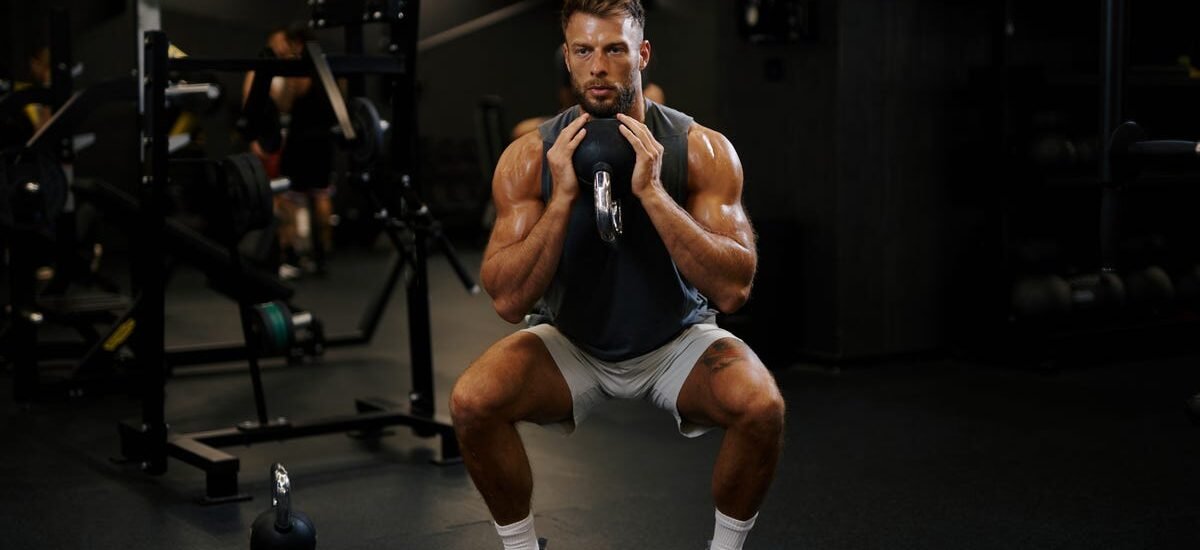
“Siempre deberíamos estar en cuclillas”, dice Ragusa. ‘Es el patrón básico que mantiene las rodillas, las caderas y las piernas funcionales de por vida. ¿Tiene acceso a una sentadilla con cinturón o una barra? Úselo. El patrón importa más que la herramienta.’
Cómo hacer una sentadilla en copa con mancuernas
- Párese con los pies ligeramente más separados que el ancho de los hombros, sosteniendo un pesa verticalmente a la altura del pecho.
- Apoye su núcleo, empuje sus caderas hacia atrás y doble las rodillas para descender en cuclillas, manteniendo las rodillas alineadas con los dedos de los pies.
- Baje hasta que sus muslos estén al menos paralelos al piso, o tan profundo como su movilidad lo permita cómodamente.
- Conduce con los pies para volver a levantarte, apretando los glúteos en la parte superior.

“Siempre deberíamos estar presionando por encima de la cabeza”, explica Ragusa. “Es lo que separa a los chicos que se mantienen fuertes a través de sus hombros de los que pierden ese rango por completo a los 60”.
Cómo hacer un press por encima de la cabeza con mancuernas
- Párese con los pies separados a la altura de las caderas, los glúteos ligeramente enganchados y el núcleo reforzado.
- Lleva las mancuernas a la altura de los hombros con los antebrazos en posición vertical y los codos ligeramente hacia adelante.
- Mantenga la caja torácica apilada sobre la pelvis, evitando arquear excesivamente la zona lumbar.
- Presione las mancuernas sobre su cabeza hasta que sus brazos estén completamente extendidos.
- Baje las pesas hasta los hombros bajo control y repita.

“Un segundo ángulo de presión, esta vez horizontal”, escribe Ragusa. ‘Construye el pecho y el hombro delantero sin martillar las articulaciones. [a] banco con barra plana [press] hace.’
Cómo hacer un press inclinado con mancuernas
- Coloca tu banco con una inclinación de 30 a 45° y siéntate con las mancuernas apoyadas sobre tus muslos.
- Recuéstese, usando las rodillas para ayudar a colocar las mancuernas en su posición por encima de la parte superior del pecho.
- Plante los pies firmemente en el suelo y afirme su núcleo.
- Baja las mancuernas bajo control hasta que sientas un estiramiento en el pecho.
- Haga una pausa breve, luego presione las pesas hacia arriba hasta que sus brazos estén extendidos.

“Siempre deberíamos estar unidos”, dice Ragusa. “Este es el movimiento que mantiene los isquiotibiales y la espalda baja haciendo su trabajo en lugar de abandonarlo”.
Cómo hacer un peso muerto rumano con mancuernas
- Párese erguido con los pies debajo de las caderas, sosteniendo las mancuernas frente a los muslos.
- Empuja las caderas hacia atrás con una ligera flexión de las rodillas, manteniendo la espalda plana y las mancuernas cerca de las piernas.
- Continúe bajando hasta que sienta un fuerte estiramiento en los isquiotibiales.
- Impulsa las caderas hacia adelante para volver a ponerte de pie, apretando los glúteos en la parte superior.
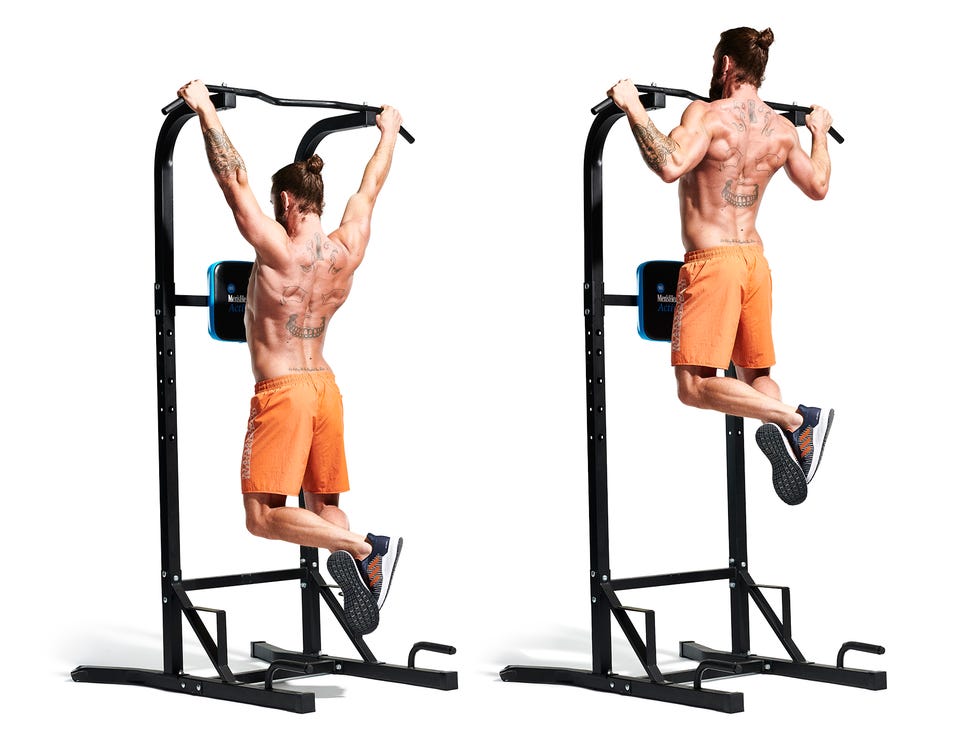
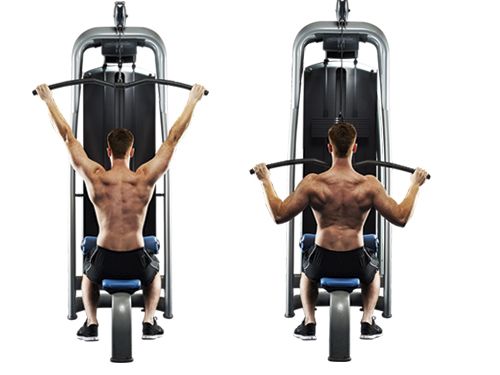
“El contrapeso a toda esa presión”, explica Ragusa. ‘Deshace todo lo que un escritorio hace a tu postura.’
Ambos movimientos proporcionan un patrón de tracción vertical para equilibrar el trabajo de presión, centrándose en los dorsales, la parte superior de la espalda y los bíceps.
Cómo hacer una dominada
- Cuélgate de la barra con los brazos completamente extendidos.
- Refuerza tus abdominales y crea tensión en todo el cuerpo.
- Aleje los hombros de las orejas y luego lleve los codos hacia los costados.
- Tira hasta que tu pecho se acerque a la barra.
- Bájate bajo control hasta que tus brazos estén rectos, luego repite.
Cómo hacer un jalón lateral
- Siéntese frente a la máquina y agarre la barra con las palmas de las manos hacia usted.
- Inclínese ligeramente hacia atrás, apoye su núcleo y levante el pecho.
- Tire de la barra hacia la parte superior del pecho, empujando los codos hacia abajo.
- Regrese lentamente la barra a la posición inicial y repita.
6. Remo de sellado con mancuernas
“Tirones estrictos y apoyados en el pecho”, dice Ragusa. “Elimina completamente la zona lumbar para que puedas cargar los músculos que lo necesitan”.
Cómo hacer un remo sellado con mancuernas
- Eleve un banco plano lo suficientemente alto como para que sus brazos puedan colgar completamente extendidos sin que las mancuernas toquen el suelo.
- Acuéstate boca abajo en el banco, sosteniendo una mancuerna en cada mano.
- Tire de los omóplatos hacia atrás y lleve los codos hacia arriba, remando las pesas hacia el torso.
- Aprieta la parte superior de la espalda en la parte superior y luego baja lentamente las pesas bajo control.

“Trabajo con una sola pierna”, escribe Ragusa. “Este es un entrenamiento para la prevención de caídas antes de que creas que lo necesitas”.
Las estocadas caminando desafían cada pierna de forma independiente y requieren equilibrio y estabilidad, cualidades que vale la pena mantener a medida que envejece.
Cómo hacer una estocada caminando con mancuernas
- Párate erguido con una mancuerna en cada mano, con el pecho hacia arriba y el core comprometido.
- Da un paso largo hacia adelante y dobla ambas rodillas, bajando la rodilla trasera hacia el suelo.
- Mantenga el talón delantero plantado y el torso erguido.
- Empuja con el pie delantero y da un paso recto hacia la siguiente repetición.
- Continuar alternando lados.

“Agarre y fuerza central que se trasladan directamente a la vida real”, explica Ragusa. “Lances de bolsas de supermercado en un viaje”.
Los transportes cargados son tan sencillos como el entrenamiento de fuerza: toma algo pesado y camina con él. Tu agarre, core, hombros y parte superior de la espalda tienen que trabajar para mantener las pesas (y a ti) bajo control.
Cómo hacer un transporte de granjero
- Párate erguido con una mancuerna pesada en cada mano.
- Apoye su núcleo, eche los hombros hacia atrás y comience a caminar con pasos deliberados y controlados.
- Mantenga el torso erguido y evite permitir que las pesas se balanceen.
- Camine la distancia prescrita, gire bajo control y regrese.
Si hay algo que Kori Sampson sabe es cómo optimizar la composición corporal para el rendimiento. Para aprovechar sus conocimientos como atleta y entrenador de élite, le pedimos que creara un plan de 4 semanas para ayudarle a moverse más rápido, recuperarse más rápido y seguir esforzándose cuando aparezca la fatiga, todo mientras mejora su proporción de músculo a grasa.
¿Listo para desarrollar músculo, quemar grasa y salir victorioso, sintiéndose y rindiendo mejor? haga clic aquí para obtener 14 días de acceso gratuito al plan a través del Salud de los hombres aplicación.

[ad_2]
Source link